Who we are

Different backgrounds, one team.

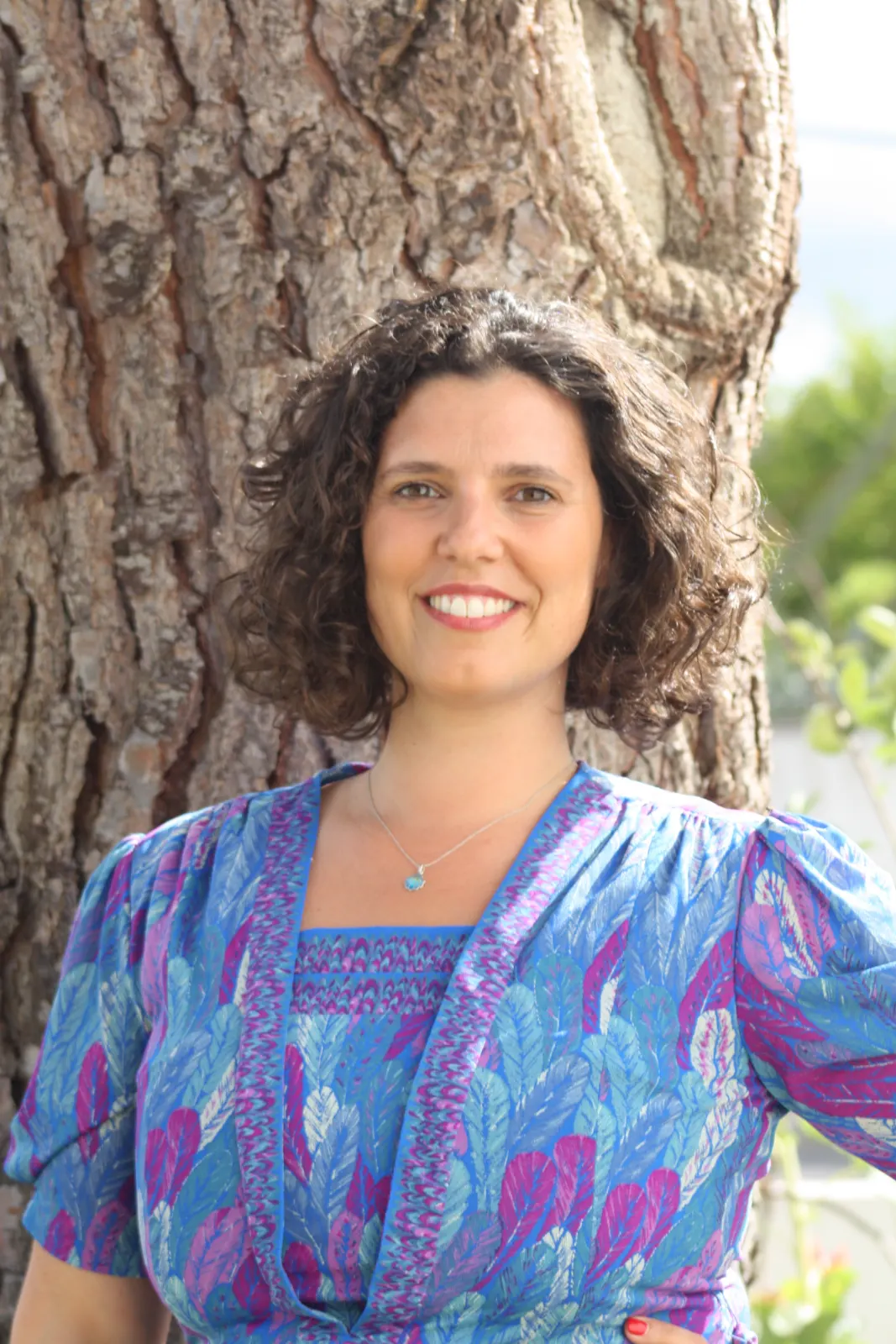
Portrait of Cláudia Santos

PhD

Cláudia Santos

Founder

Connecting different ways of knowing and doing to build mutual understanding.

Areas of expertise

  • Community-based adaptation and resilience
  • Climate (im)mobility
  • Disaster risk reduction
  • Community-led approaches and participatory action research
  • Cross-scale and cross-sector dialogue facilitation
  • Risk assessment and vulnerability analysis
  • Social and environmental safeguards
  • Non-economic loss and damage
  • Forensic investigations of disasters

Geographical scope

East and West Africa; Small Island Developing States

Cláudia Santos (Ph.D.) is an expert working on community-based adaptation and resilience, climate (im)mobility and disaster risk reduction, with a focus on marginalized and at-risk populations. With 10+ years of experience working with communities in Guinea-Bissau, complemented by a wide experience across West and East Africa, her background includes research and technical roles supporting vulnerability assessments, social and environmental safeguards, resilience planning, stakeholder consultations, refugee training, disaster response, and engagement with governments, communities, civil society, donors and development partners.

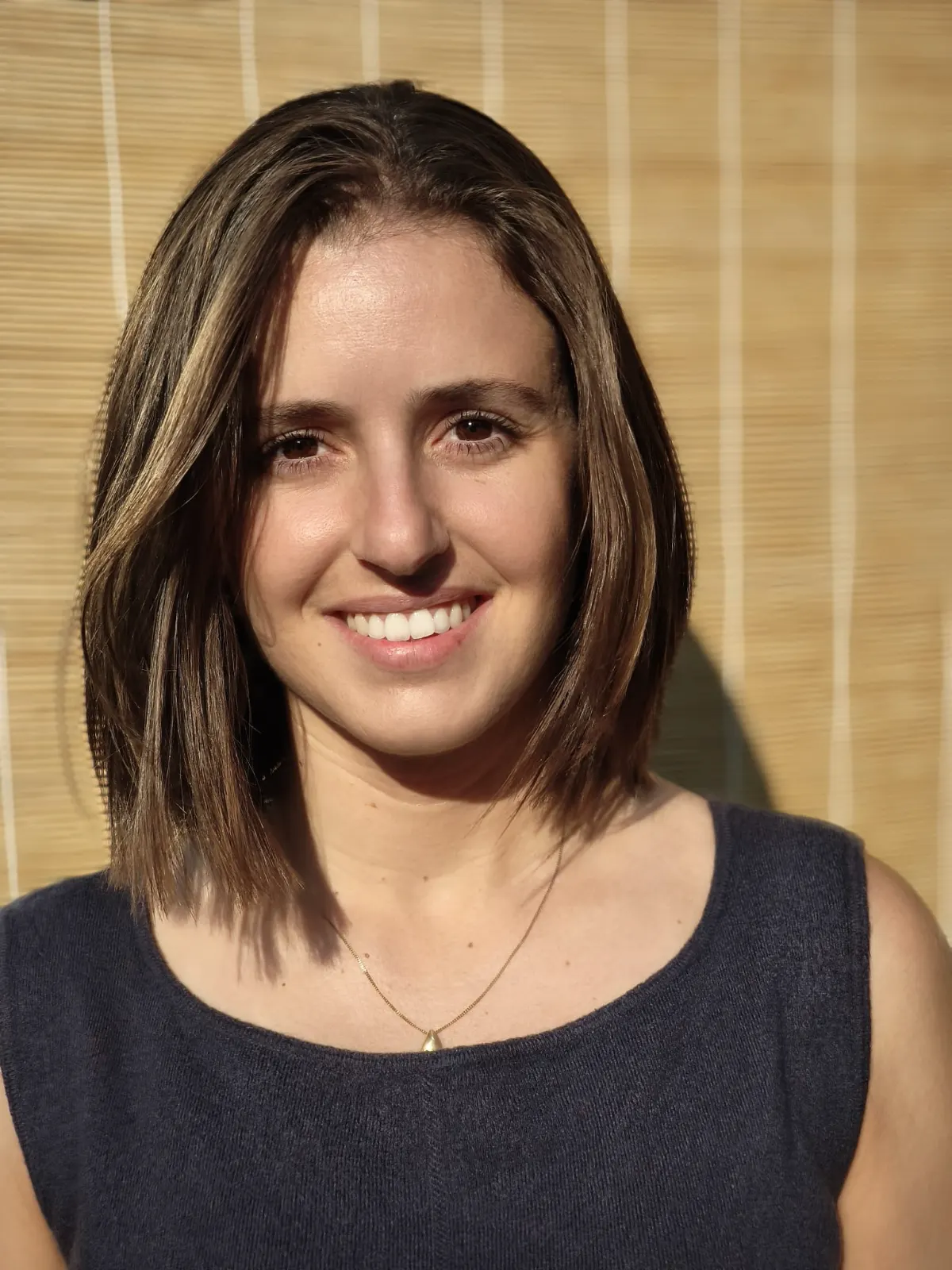
Portrait of Andreia Sousa

PhD

Andreia Sousa

Working across science, art, and community to drive knowledge, dialogue, and change for a more resilient and regenerative world.

Areas of expertise

  • Marine biodiversity
  • Blue economy
  • Ocean culture
  • Climate adaptation
  • Art–science dialogue
  • Science–policy interface

Geographical scope

Atlantic Islands, Macaronesia

Andreia Sousa (Ph.D.) works at the intersection of marine science, climate adaptation, and ocean culture, bringing together scientific research, artistic practice, and community engagement for biodiversity conservation and sustainable ocean futures.

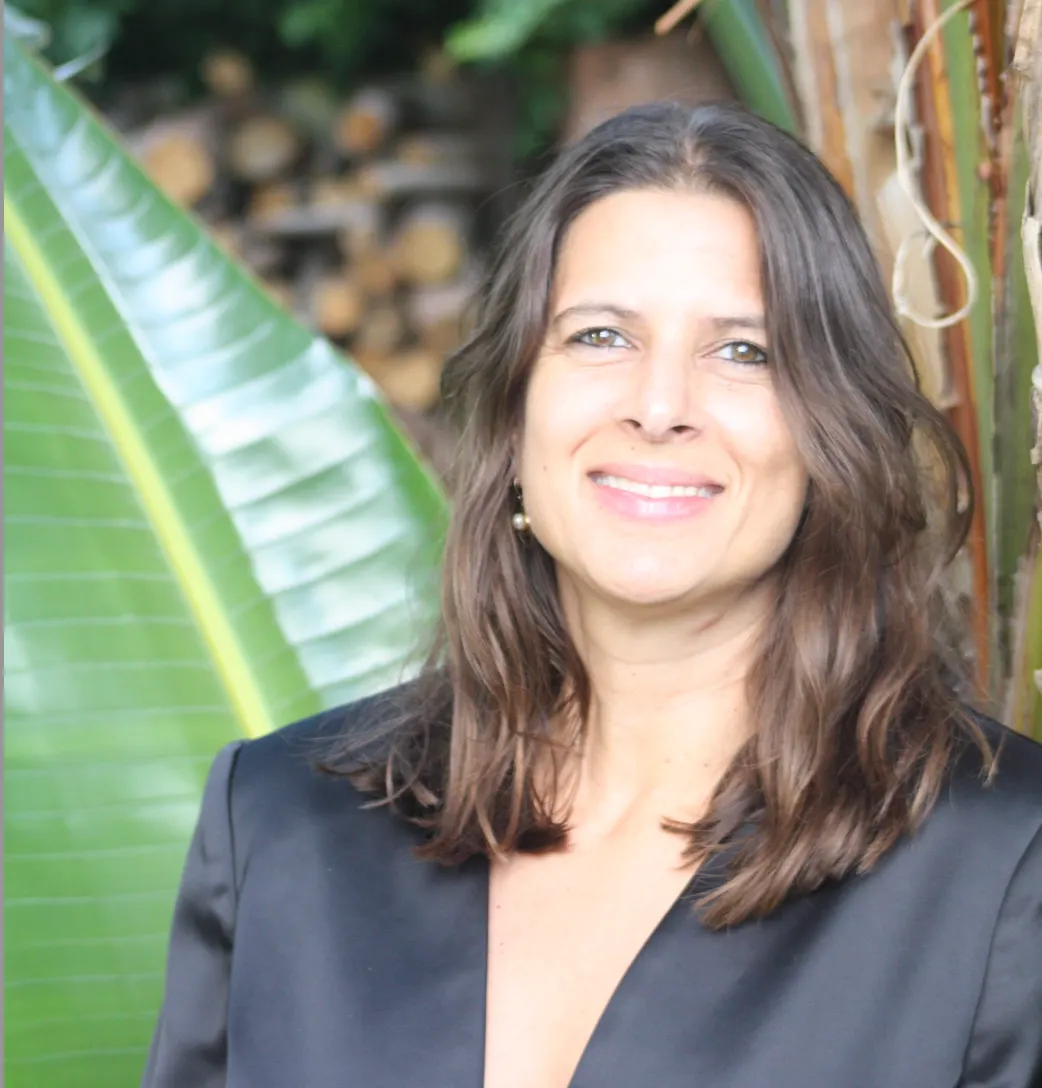
Portrait of Mafalda Navas

MSc

Mafalda Navas

Strengthening people, organizations and communities to build the knowledge, skills and relationships needed to drive positive change and contribute to a more sustainable future.

Areas of expertise

  • Participation and community-led approaches
  • Capacity building and learning
  • Environmental sustainability and conservation
  • Fisheries and coastal resource management
  • Stakeholder engagement
  • Cross-sector partnerships and collective action

Geographical scope

Cabo Verde, São Tomé and Príncipe, The Bahamas, United Arab Emirates, Portugal

Mafalda Navas (MSc) is a community engagement, participation and capacity-building practitioner working at the intersection of environmental sustainability, education and community development. She believes that people, when equipped with the right tools, knowledge and opportunities, are the primary drivers of their own change and of collective transformation.

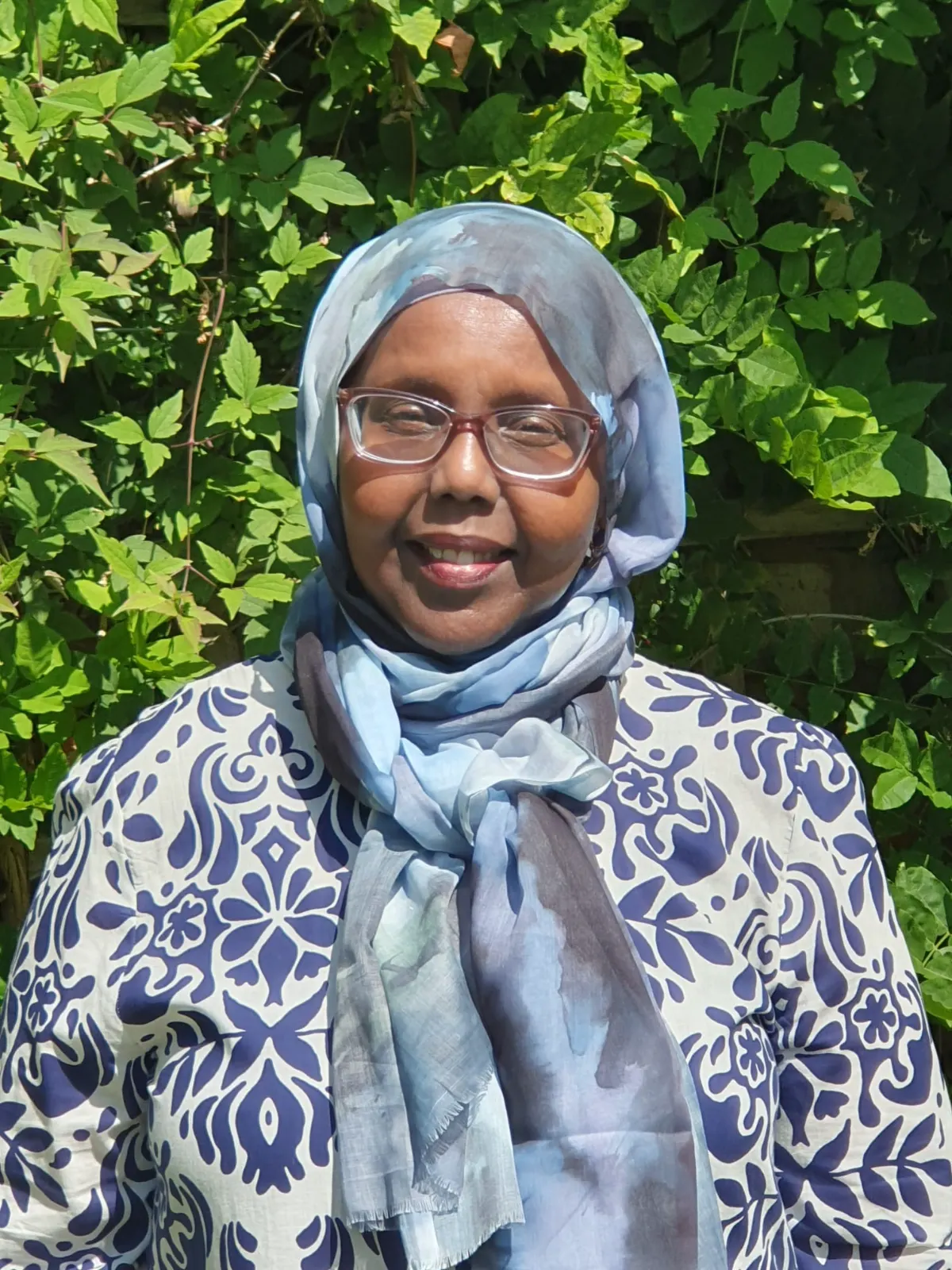
Portrait of Muna Ismail

PhD

Muna Ismail

Bringing participatory local learning and community knowledge together, and supporting displaced and diaspora communities through training, to revitalize shared community heritage, rebuild home regions, restore dryland landscapes, and strengthen food security and regenerative livelihoods.

Areas of expertise

  • Community-based environmental stewardship
  • Dryland ecosystem restoration in the Horn of Africa
  • Native plant conservation and domestication
  • Underutilized crops and food security
  • Traditional knowledge and participatory learning
  • Climate resilience and sustainable livelihoods
  • Participatory mapping and city-led climate action
  • Diaspora leadership and community rebuilding

Geographical scope

Horn of Africa and United Kingdom

Muna Ismail (Ph.D.) is a scientist specialized in plants and an environmentalist concerned with dryland areas, focusing her efforts on promoting community-based environmental stewardship in the Horn of Africa. Having been trained in phytochemistry, she combines plant science with traditional knowledge and participatory learning in order to support biodiversity conservation, food security and regenerative livelihoods.